Understanding Natural Elements for Male Vitality

Explore the world of natural wellness approaches and holistic care practices designed to support general well-being and sustainable self-care for men over forty.

Learn More
Natural landscape representing male vitality

Introduction to Natural Wellness

Natural wellness represents a holistic approach to personal care that acknowledges the interconnectedness of physical, mental, and emotional health. Rather than seeking quick fixes or external solutions, this approach emphasizes sustainable practices that work in harmony with the body's natural rhythms and processes.

The foundation of natural wellness lies in understanding how lifestyle factors—including sleep quality, physical activity, stress management, and nutrition—create the conditions for optimal well-being. This educational resource explores these elements through an informational lens, presenting knowledge that can inform personal decisions about health and wellness practices.

Water and natural elements representing wellness

Understanding Key Natural Ingredients

Throughout history, various cultures have identified and utilized natural ingredients to support general wellness. The following are key examples that have been studied and documented in educational and historical contexts.

Turmeric and ginger - traditional natural ingredients

Turmeric and Ginger

These root-based ingredients have been central to wellness practices in Asian cultures for centuries. Turmeric contains curcuminoids, compounds that have been studied for their properties in supporting various biological processes. Ginger is traditionally used to support digestive wellness and overall vitality.

Green tea - natural wellness ingredient

Green Tea

Rich in polyphenols and antioxidants, green tea has been consumed for millennia in Asian wellness traditions. It is renowned for its potential to support cognitive function, metabolic processes, and general well-being when incorporated into a balanced daily routine.

Ginseng - herbal wellness ingredient

Ginseng

Ginseng has been used in traditional medicine systems for over two thousand years. This herbal root is valued for its potential to support energy levels, mental clarity, and general resilience. Different varieties exist across cultures, each with its own historical applications.

Benefits of Holistic Care for Men

A comprehensive approach to personal wellness can support men in maintaining vitality and well-being, particularly as they navigate life changes and increasing responsibilities.

  • Enhanced energy levels and sustained mental clarity throughout the day
  • Improved sleep quality and natural sleep-wake cycle regulation
  • Better stress management and emotional resilience
  • Support for cardiovascular health through balanced lifestyle choices
  • Maintained muscle tone and bone strength through consistent physical activity
  • Enhanced skin health and appearance through proper nutrition and skincare
  • Greater overall sense of vitality and life satisfaction
Man practicing yoga and meditation in nature
Active man jogging in nature

Lifestyle Factors for Vitality

Physical vitality extends beyond diet—it encompasses the complete picture of daily habits and environmental factors that influence well-being.

Physical Activity: Regular movement is fundamental to maintaining muscle mass, bone density, cardiovascular health, and mental clarity. Whether through structured exercise, outdoor activities, or daily movement practices, consistent physical engagement supports long-term wellness.

Sleep Quality: During sleep, the body undergoes crucial restoration processes. Quality sleep supports immune function, metabolic regulation, emotional stability, and cognitive performance. Natural sleep practices—such as maintaining consistent sleep schedules and minimizing evening screen exposure—support restorative sleep cycles.

Stress Management: Chronic stress affects multiple body systems, including cardiovascular, digestive, and immune functions. Natural stress-reduction practices such as meditation, deep breathing, time in nature, and engaging in meaningful activities can significantly support overall wellness.

Skincare Essentials from Nature

Men's skincare is an essential component of self-care that often receives less attention than other wellness practices. Natural approaches to skincare emphasize understanding the skin's structure and needs.

Natural Ingredients for Skincare: Plant-based oils, botanical extracts, and mineral-based products can support skin health by maintaining hydration, promoting elasticity, and protecting against environmental stressors. Ingredients such as argan oil, jojoba oil, shea butter, and aloe vera have been used historically and continue to be valued for their moisturizing and nourishing properties.

Routine Fundamentals: A consistent skincare routine—including cleansing, moisturizing, and sun protection—supports skin integrity and appearance. This routine becomes increasingly important as the skin's natural oil production and renewal processes naturally evolve with age.

Natural skincare ingredients and oils

Common Myths Debunked

The wellness industry is filled with misconceptions and exaggerated claims. Understanding the facts helps inform better personal decisions.

Myth: Overnight Results

Reality: Sustainable wellness is built through consistent practice over time. Natural approaches work gradually, supporting the body's inherent processes of renewal and balance. Unrealistic promises of immediate transformation are inconsistent with how biological systems actually function.

Myth: One-Size-Fits-All Solutions

Reality: Individual differences in genetics, lifestyle, health status, and preferences mean that approaches must be personalized. What works effectively for one person may not be ideal for another. Wellness is personal and context-dependent.

Myth: Natural Always Means Safe

Reality: While many natural substances are beneficial, not all natural products are equally safe or effective for everyone. Context, dosage, and individual health considerations matter. Informed decision-making is essential.

Myth: Wellness Replaces Medical Guidance

Reality: Holistic wellness practices complement professional medical care—they do not replace it. Serious health concerns require qualified professional evaluation and treatment. Wellness supports overall health within a broader healthcare context.

The Role of Nutrition

Nutrition forms the foundation of physical and mental well-being. Food provides not only energy but also the building blocks for cellular function, hormone production, immune support, and cognitive performance.

Principles of Balanced Nutrition: Rather than focusing on restrictive diets, balanced nutrition emphasizes variety, whole foods, and moderation. This includes adequate protein for muscle maintenance, diverse plant foods for micronutrient density, healthy fats for hormone and brain function, and complex carbohydrates for sustained energy.

Age-Specific Considerations: As men age, nutritional needs shift. The importance of adequate protein, calcium, and vitamin D increases. Incorporating anti-inflammatory foods and maintaining proper hydration become increasingly significant in supporting metabolic health and vitality.

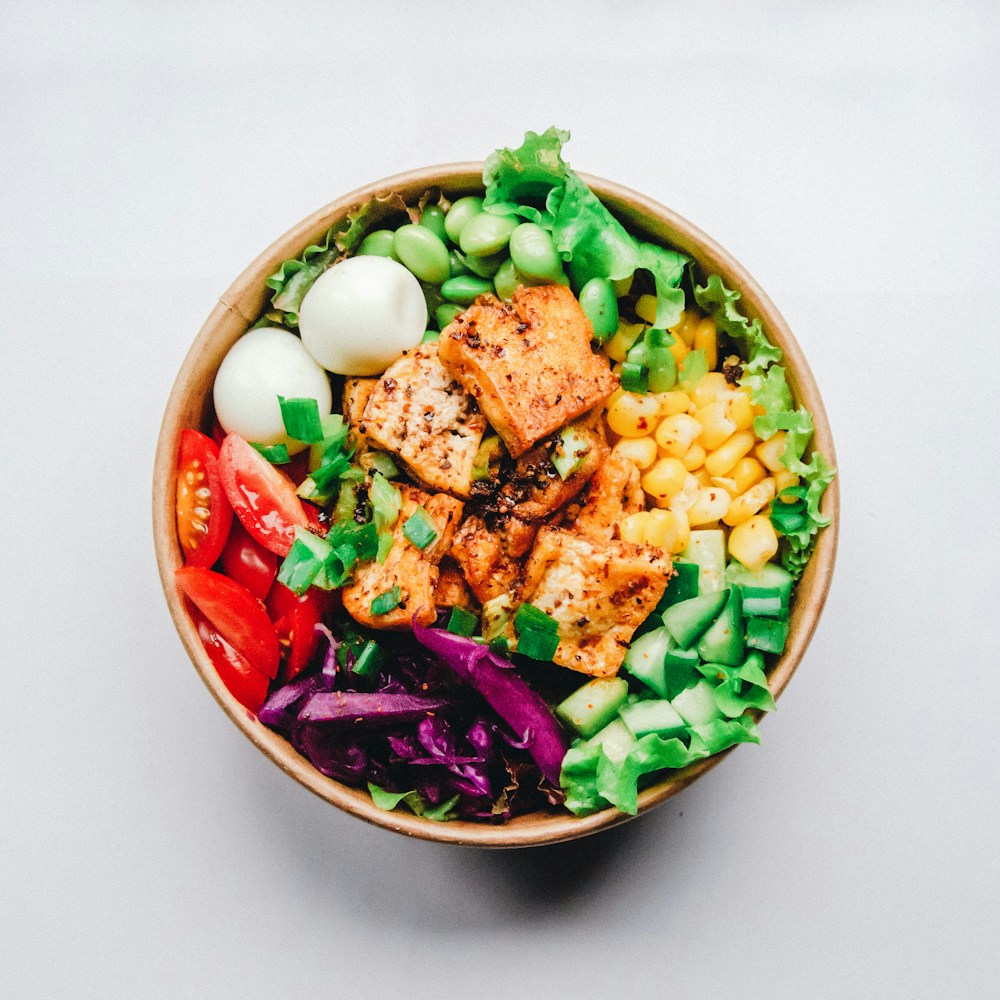
Balanced healthy meal with fresh vegetables and fruits
Man practicing daily wellness rituals in nature

Natural Approaches to Daily Routine

Incorporating natural wellness practices into daily life need not be complex. Simple, consistent practices often yield the most sustainable results.

Morning Rituals: Beginning the day with hydration, light movement, and mindfulness sets a positive tone. Morning sunlight exposure supports natural circadian rhythm regulation and contributes to vitamin D synthesis.

Throughout the Day: Mindful eating, regular movement breaks, staying hydrated, and managing stress through breathing practices or brief nature exposure maintain energy and focus.

Evening Practices: Reducing screen exposure, practicing relaxation techniques, and maintaining a consistent bedtime routine support quality sleep. Evening activities should gradually transition the body toward rest.

Historical Context of Natural Remedies

The use of natural ingredients for wellness is not modern. Across civilizations and continents, traditional knowledge systems have developed sophisticated understandings of how natural substances support health.

Asian Wellness Traditions: Traditional Chinese Medicine and Ayurveda represent complex systems developed over thousands of years. These systems emphasize balance, individual constitution, and the use of carefully selected natural ingredients to support health and prevent imbalance.

European Herbalism: European traditions of herbalism documented the properties of local plants and their applications in supporting wellness. Many modern pharmaceuticals are derived from plants that herbalists identified centuries ago.

Indigenous Knowledge: Indigenous cultures worldwide developed deep knowledge of local plants and their properties. This traditional ecological knowledge, accumulated over generations, represents a significant source of information about natural substances and their applications.

Modern science continues to study these traditional practices, often confirming the empirical observations that informed their development while contributing contemporary understanding of mechanism and application.

Future of Natural Well-being Research

The intersection of traditional knowledge and modern scientific research continues to evolve. Contemporary research explores the mechanisms through which natural ingredients and holistic practices support health.

Areas of ongoing investigation include the bioavailability of plant compounds, the effects of various herbs and supplements on specific biological processes, the neurological impacts of meditation and stress-reduction practices, and the role of lifestyle factors in disease prevention and health maintenance.

As research continues, our understanding of natural wellness approaches becomes more nuanced and sophisticated. However, it remains essential to distinguish between preliminary findings, well-established evidence, and unfounded claims. Critical thinking and evidence-based evaluation remain important in navigating wellness information.

Glossary of Terms

Antioxidants
Compounds that help neutralize free radicals, unstable molecules that can damage cells. Found in many plant-based foods and beverages.
Bioavailability
The degree and rate at which a substance is absorbed into the bloodstream and becomes available for use in the body.
Holistic Health
An approach to wellness that considers the whole person—physical, mental, emotional, and spiritual dimensions—rather than isolated symptoms or conditions.
Phytonutrients
Naturally occurring compounds in plants that provide color, flavor, and aroma, and are believed to support various health functions.
Adaptogen
A plant substance believed to help the body adapt to stress and maintain balance. Examples include ginseng and ashwagandha.
Circadian Rhythm
The body's natural 24-hour cycle that regulates sleep-wake patterns, hormone production, and other biological processes.

Continue Your Wellness Journey

This educational resource provides foundational knowledge about natural approaches to wellness and self-care. We invite you to explore our other sections for more detailed information on specific topics.

Explore For Men Section